
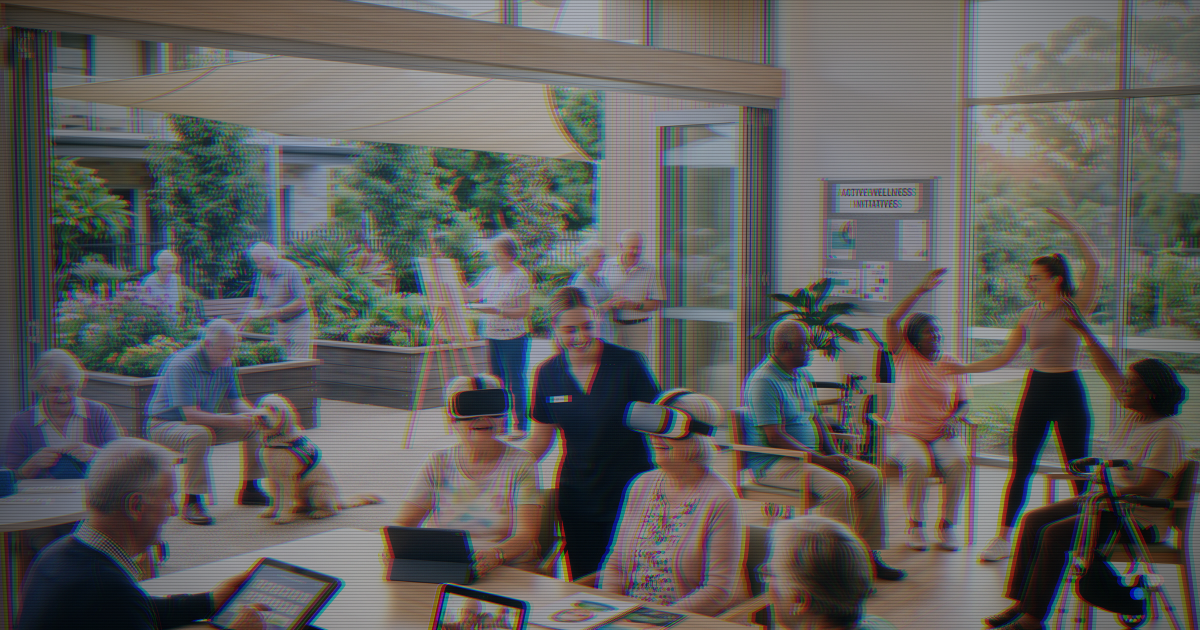
Under Australia's Strengthened Aged Care Quality Standards, lifestyle programming has moved from a "nice to have" to a core quality requirement. Standard 4 (The Environment) explicitly requires that older people receive care in an environment that supports their wellbeing, independence, and sense of belonging - and meaningful activities are central to meeting that standard.
The days of a weekly bingo session being enough are over. Today's aged care providers need diverse, evidence-based, person-centred activity programmes that cater to residents' individual interests, cultural backgrounds, and cognitive abilities. The research is clear: meaningful engagement reduces responsive behaviours, improves mood, slows cognitive decline, and gives residents a genuine reason to get out of bed each morning.
This guide covers every major category of lifestyle activity available to Australian aged care providers in 2026 - from cutting-edge virtual reality to time-honoured gardening therapy - with practical information on providers, evidence, and implementation.
Technology-enabled activities represent the fastest-growing category in aged care lifestyle programming. These solutions offer experiences that would otherwise be impossible for residents with limited mobility, and the evidence base supporting their effectiveness continues to grow.
Virtual reality has emerged as one of the most transformative technologies in aged care lifestyle programming. Purpose-built VR platforms allow residents to virtually travel the world, revisit meaningful places from their past, experience bucket-list destinations, and participate in guided adventures - all without leaving their chair.
SilVR Adventures is Australia's leading VR provider for aged care, offering a research-backed platform developed in partnership with Deakin University. Their content library includes hundreds of immersive experiences specifically designed for older Australians - from revisiting the Great Barrier Reef to walking through European cities, attending live concerts, and exploring nature. What sets their platform apart is the focus on social connection: sessions are designed to be shared in groups, sparking conversation and memory sharing among residents.
Their programmes include:
The evidence supporting VR in aged care is compelling. Research shows it reduces social isolation, stimulates cognitive function, evokes positive memories, and measurably improves mood. SilVR Adventures has delivered experiences to residents across hundreds of Australian facilities, making it the most established and trusted VR provider in the sector.
Olive Express takes a different approach to immersive experiences - rather than headsets, they build fully physical travel environments. Their signature product is a custom-built train dining car with moving scenery projections, allowing residents to "travel" through destinations worldwide with curated sensory experiences including authentic food, sounds, and cultural guides.
The beauty of this approach is accessibility: residents don't need to wear any device or learn any technology. They simply sit in the carriage, watch the world go by through the windows, and enjoy a multi-sensory dining experience themed to their destination. It works particularly well for residents with advanced dementia who may not tolerate a VR headset but respond beautifully to environmental sensory cues.
Olive Express offers both permanent installations and mobile experiences that can visit multiple facilities.
The Tovertafel (Dutch for "magic table") is an augmented reality system that projects interactive light games onto a table surface. Residents interact with the projections by moving their hands - chasing butterflies, sweeping autumn leaves, or popping bubbles. Developed specifically for people living with dementia, it requires no instruction and naturally encourages physical movement, social interaction, and cognitive engagement.
Multiple Australian aged care facilities have installed Tovertafel systems - including Catholic Healthcare, Metro North Health QLD, Mercy Health, Samarinda, and Martin Luther Homes - with research showing it activates residents at every stage of dementia. The Australian distributor is NovitaTech (ph: 1300 668 482).
Another innovative option is Motitech's Motiview system - a virtual cycling platform that displays familiar scenery on a screen while residents pedal specially-adapted exercise bikes. Already used by Whiddon and other Australian providers, it combines physical exercise with cognitive stimulation and reminiscence through footage of local neighbourhoods and worldwide destinations.
Andromeda Robotics is an Australian-made AI humanoid companion robot (named "Abi") that speaks 90 languages, dances, plays games, leads tai chi sessions, and blows bubbles. Fully autonomous with advanced navigation, Abi is permanently deployed in 22 mecwacare homes serving over 1,500 residents, and has partnered with Benetas. The Melbourne-based company raised $23 million USD, making it one of Australia's most significant aged care technology investments.
Life-like therapeutic robotic animals - particularly cats and dogs - feature realistic fur, purring or heartbeat vibrations, and responsive movements. They provide sensory comfort and emotional connection without the allergens, feeding requirements, or unpredictability of live animals.
Key providers in Australia include:
Research shows robotic companions reduce anxiety, improve sleep, encourage communication, and activate deep caregiving instincts - particularly beneficial for residents with dementia who may have previously cared for pets throughout their lives.
Tablet-based brain training provides accessible cognitive stimulation that residents can enjoy independently or in small groups. Dementia Australia's BrainTrack app - funded by the Australian Government - uses travel-themed games to help monitor cognitive changes over time, while the A Better Visit app helps families engage meaningfully with relatives living in residential care.
While brain training hasn't been conclusively shown to prevent dementia, research consistently shows that mental stimulation combined with social interaction offers the greatest benefit for maintaining cognitive health.
Digital biography creation uses video, photos, and audio to capture residents' life stories. The Australian National University's $1.35 million Digital Life Stories project has demonstrated how 4-minute life story videos and visual posters help staff understand each resident as a whole person - not just a care recipient.
TeaTime supports this by strengthening the connection between families, residents, and care teams - ensuring that personal stories and preferences are visible to everyone involved in a resident's care.
Purpose-built multisensory environments feature aromatherapy, coloured water columns, fibre-optic cables, textured objects, calming music, and projected imagery. Originally developed in the Netherlands for children with learning disabilities, Snoezelen rooms have become increasingly popular in Australian dementia care for reducing aggression and agitation through non-pharmacological sensory stimulation.
While the evidence shows effects may be short-term, the calming benefit during and immediately after sessions makes them a valuable tool in the broader activity toolkit - particularly for residents who struggle with group activities.
Physical activity remains fundamental to resident wellbeing, with falls prevention, strength maintenance, and mobility being key clinical outcomes. The best programmes make movement enjoyable and social rather than clinical.
Adapted yoga performed seated in a chair or using a chair for support. Includes breathing exercises, gentle stretches, and mindfulness components accessible to virtually all mobility levels - including wheelchair users. Specialist providers like Yogamigos deliver aged care-specific programmes across Australia.
The slow, flowing movements of tai chi are ideal for aged care - improving balance, reducing falls risk, and providing a meditative quality that reduces stress. Sessions can be adapted for seated or standing participants and delivered in group settings that encourage social connection.
Exercise in heated pools (33-36°C) guided by physiotherapists provides extraordinary benefits: water buoyancy reduces joint stress by up to 90%, enabling movements that would be painful or impossible on land. Providers like Allied Aged Care, The Physio Co, and Gen Physio deliver aquatic programmes, though access requires either on-site pools or transport to community facilities.
Structured exercise including seated aerobics, resistance band training, gentle Zumba, movement-to-music, and balance programmes. Third Age Fitness and similar specialist providers deliver programmes designed specifically for aged care settings, ensuring exercises are safe, enjoyable, and appropriately challenging.
Daily organised walking through facility gardens or nearby paths - often combined with nature observation or birdwatching. Simple, free, and effective for cardiovascular health, vitamin D exposure, and establishing comforting daily routines.
Ballroom dancing, line dancing, seated dance, and movement-to-music sessions. Dance uniquely combines physical exercise with music (triggering memory recall), social connection, and emotional expression. Themed decade dances - 1950s rock and roll, 1960s twist - can be powerful reminiscence triggers.
Creative activities offer a unique combination of cognitive stimulation, emotional expression, and tangible achievement. For residents who may struggle with verbal communication, art provides an alternative language.
Led by qualified art therapists, these sessions use painting, drawing, pottery, collage, and mixed media as therapeutic tools rather than just recreation. Major providers include Indigo Therapy Group (servicing aged care facilities across Victoria with art, music, animal, and movement therapy), CATA (Creative Arts Therapies Association - providing registered therapists to facilities including Fronditha Care locations), and Focus Care. Art therapy is particularly effective for emotional processing, reducing anxiety, and maintaining fine motor skills.
Registered music therapists deliver sessions including singing, instrument playing, listening, songwriting, and rhythm activities. Music has a unique ability to reach people with advanced dementia - familiar songs can unlock memories and emotional responses when other forms of communication have faded.
Key providers include Sing Us A Song Music Therapy (interactive group sessions and dementia reminiscence, Hornsby NSW) and Creativity Australia's With One Voice programme - free inclusive choir sessions for aged care facilities led by professional conductors. The With One Voice programme has been described as "the single best and most effective activity" by participating facilities.
Regular visiting performers bring joy, atmosphere, and a sense of occasion. The Australian aged care entertainment industry is well-established, with dedicated providers including:
Knitting circles, crochet groups, scrapbooking, card making, jewellery making, and flower arranging. These activities maintain fine motor skills, provide a sense of purpose and productivity, and create tangible outputs that can be gifted to family or sold at fundraisers. The social aspect of crafting together is often as valuable as the activity itself.
Golden Carers provides thousands of printable activity ideas, templates, and resources for lifestyle coordinators - an essential planning resource for any facility's creative arts programme.
Social isolation is one of the greatest risks to wellbeing in residential aged care. These activities specifically target connection - between residents, with families, across generations, and with the broader community.
Regular visits from local kindergartens, childcare centres, or school groups for shared activities. Research from Griffith University and the Australian Institute for Intergenerational Practice (AIIP) shows these programmes reduce depression, improve self-worth, and give residents a renewed sense of purpose. Activities range from reading together to shared craft, gardening, singing, and free play.
TeaTime is strengthening the connection between families, residents, and care teams in aged care - moving beyond sporadic visits to continuous, meaningful engagement. Digital platforms enable video calls, photo sharing, activity updates, and care communication that keeps families involved even when they can't physically visit.
Organised excursions to restaurants, shopping centres, parks, beaches, art galleries, theatres, markets, and local attractions. These outings are consistently rated as highlight activities by residents - providing a sense of normalcy, independence, and connection to the world beyond the facility. Most providers operate accessible bus programmes funded through My Aged Care.
On-site workshop spaces where male residents can socialise while doing woodwork, small repairs, model building, and hands-on projects. Men often engage differently to women in social settings - preferring activity-based connection over conversation-based activities. The Australian Men's Shed Association model has been successfully adapted for residential aged care settings.
programmes that give residents meaningful roles: mentoring younger people, teaching skills, contributing to community service projects, knitting items for charity, or sharing professional expertise. Having a purpose beyond personal care is fundamental to identity and self-worth - regardless of age or ability level.
Food is deeply connected to memory, culture, and pleasure. Moving beyond mere nutrition to create meaningful food experiences is a growing focus in quality aged care.
Hands-on cooking sessions where residents prepare familiar recipes or learn new dishes. The sensory richness of cooking - the smell of baking bread, the feel of kneading dough, the sizzle of onions - provides powerful stimulation.
The Maggie Beer Foundation delivers free, government-funded education and training to improve food outcomes in Australian aged care. Their programmes include state and territory training hubs, on-site chef mentoring, and over 200 scalable recipes (including texture-modified options). All programmes are completely free to aged care providers.
Themed meal events celebrating diverse cuisines are particularly important as Australia's aged care population becomes increasingly multicultural - by 2026, nearly 40% of people aged 65 and over come from culturally and linguistically diverse (CALD) backgrounds. Olive Express combines immersive travel with authentic cultural dining, creating multi-sensory food experiences themed to destinations around the world.
Australia has several dedicated aged care catering companies that go beyond basic meal provision to create genuine dining experiences:
Lantern Alliance provides the only industry-endorsed dining experience measurement software (Epicure Rating Report), helping facilities benchmark and improve their food quality using resident stories to guide decisions. Centrim Life offers cloud-based dining management with digital menus, dietary tracking, resident preferences, allergen management, and meal feedback systems.
Growing herbs, vegetables, and edible plants in accessible raised garden beds, then using the harvest in facility cooking. This combines the therapeutic benefits of gardening with the satisfaction of eating food you've grown - connecting residents to natural cycles and providing gentle physical activity.
Connection to nature is a fundamental human need that doesn't diminish with age. Well-designed outdoor programmes and therapeutic gardens can significantly improve resident wellbeing.
Structured gardening in accessible raised beds, potting stations, and therapeutic gardens. Activities include planting, weeding, watering, flower arranging, and herb growing. Research consistently shows gardening reduces stress and agitation, provides gentle physical activity, and gives residents a sense of purpose and achievement. Most Australian facilities can implement some form of garden therapy regardless of available space.
Regular visits from therapy animals - trained dogs, cats, birds, and even miniature horses - or on-site facility pets. Animal interaction reduces blood pressure, provides tactile comfort, acts as a social catalyst between residents, and can reach people who have withdrawn from other forms of engagement. Some facilities maintain their own animals: Whiddon, for example, runs hen-keeping programmes that give residents daily responsibility and connection.
Australia's extraordinary birdlife makes outdoor birdwatching an accessible, engaging activity. Bird feeding stations visible from communal areas, nature identification walks, wildlife documentaries, and nature photography in facility grounds all provide gentle cognitive stimulation and connection to the natural world.
Intellectual stimulation doesn't end with retirement. Residents often have decades of knowledge and curiosity that can be engaged through structured cognitive programmes.
Regular group trivia covering general knowledge, decades-themed questions, Australian history, sport, music, and pop culture. Competitive team formats add excitement and social bonding, while the content itself provides cognitive stimulation and an opportunity to demonstrate expertise - boosting self-esteem.
Regular reading groups discussing books, poetry, newspapers, or short stories. Audiobooks and large-print materials ensure accessibility for those with vision impairment. Local library partnerships can provide rotating stock and even visiting librarians to facilitate discussions.
Educational sessions with visiting speakers, U3A (University of the Third Age) partnerships, TED talk screenings, documentary viewings, and skill-sharing workshops. Residents themselves often have extraordinary expertise to share - former teachers, tradespeople, artists, and professionals can lead sessions for their peers.
Structured sessions using photos, music, objects, and sensory triggers from specific eras to stimulate memory sharing. Particularly powerful for dementia care, reminiscence therapy helps maintain identity, improve mood, and reduce anxiety. Technology has enhanced this traditional approach - SilVR Adventures VR experiences can transport residents back to places from their past, while Olive Express recreates the sensory experience of travel that many residents enjoyed throughout their lives.
Addressing the spiritual and emotional dimensions of life is a core requirement under the Aged Care Quality Standards. These programmes support residents through life's biggest questions and transitions.
Chaplaincy services, religious services, meditation, prayer groups, spiritual discussion groups, and visits from faith representatives. Modern pastoral care is inclusive - Spiritual Care Australia and Meaningful Ageing Australia support practitioners from all belief backgrounds, including secular spiritual carers. Under the National Guidelines for Spiritual Care in Aged Care, every resident should have access to spiritual support regardless of their faith tradition.
Guided meditation, breathing exercises, sound baths, and relaxation programmes. These can be delivered in group settings or individually, and adapted for all cognitive levels. Research shows mindfulness practice reduces stress, improves sleep quality, and supports emotional regulation - even brief daily sessions can make a measurable difference.
Life-like weighted therapy dolls provided to residents with dementia activate deep caregiving instincts - providing comfort, purpose, and emotional regulation. While it may seem unconventional, Australian research (including from UNSW) shows doll therapy reduces anxiety, improves sleep, and reduces responsive behaviours. Products are available through Dementia Shop Australia and specialist suppliers.
Every activity in this guide maps back to Australia's Strengthened Aged Care Quality Standards. For providers, the question isn't just "what activities should we offer?" but "how do we document and demonstrate that our programmes are person-centred, evidence-based, and meeting individual needs?"
Lifestyle coordinators need ongoing professional development to deliver quality programming. Forget Me Not transforms learning to drive improved performance across aged care organisations, while Mighty Cares Training provides simple, engaging compliance training mapped directly to the Quality Standards with clear audit-ready evidence. Both ensure staff have the knowledge and confidence to deliver meaningful activities consistently.
Robust systems for planning, recording, and reporting on lifestyle activities create the audit-ready evidence that assessors look for. Care Collaborator streamlines compliance documentation, while Quality INSITE helps providers walk the path to better care decisions with data-driven quality measurement tools. Together with FicusBridge's operational intelligence, these platforms ensure that great lifestyle programming doesn't just happen - it's documented, measured, and continuously improved.
The starting point for any lifestyle programme is understanding each resident as an individual. What did they do for work? What are their hobbies? What cultural background do they come from? What brings them joy? Assessors under the Strengthened Standards specifically look for evidence that activities are tailored to individual interests - not a one-size-fits-all programme imposed on everyone.
With over 40 activity types available, how do providers choose? Here are the key principles:
Survey interests, review life histories, talk to families. A facility with many former farmers will have different needs to one in an inner-city location. Cultural demographics matter - facilities with high CALD populations should prioritise culturally specific food, music, and social programmes.
Not every resident will embrace VR or tablets, and not every activity needs technology. The best programmes blend cutting-edge experiences (like SilVR Adventures or Olive Express) with timeless activities (like gardening, music, and cooking) to ensure something resonates with everyone.
Some activities require qualified therapists (art therapy, music therapy, hydrotherapy), while others can be delivered by trained lifestyle staff or volunteers. Build your programme around sustainable staffing models - and invest in training through providers like Forget Me Not and Mighty Cares Training to upskill your existing team.
Track participation, resident satisfaction, and wellbeing outcomes. Quality INSITE and Care Collaborator provide the systems to demonstrate impact - not just to assessors, but to families, boards, and funding bodies.
Some of the most effective activities (walking groups, trivia, reading groups, gardening) cost almost nothing. Others (VR platforms, immersive rooms, hydrotherapy) require investment but deliver outsized impact. Build a programme that combines both - using savings from low-cost activities to fund technology investments that differentiate your facility.
The aged care sector is experiencing a transformation in how we think about lifestyle and engagement. The Strengthened Quality Standards have raised the bar, but the real driver is simpler: residents deserve lives rich with purpose, connection, and joy - regardless of their age or ability.
From virtual reality adventures with SilVR Adventures to immersive travel dining with Olive Express, from family connection platforms like TeaTime to evidence-based training from Forget Me Not and Mighty Cares - Australia's aged care technology sector is delivering innovations that make world-class lifestyle programming more accessible than ever.
The GenTech network connects providers with the companies building the future of aged care. Whether you're looking to implement VR, improve your compliance documentation, or transform your training programmes, our member companies are here to help.